How to Choose the Right Energy Drink for Your Needs?
Choosing the right energy drink can be challenging. With many options available, understanding your needs is crucial. Energy drinks often promise increased focus and endurance. However, they can vary significantly in ingredients and effects.
When selecting an energy drink, consider what you require. Are you looking for a quick boost for exercise or prolonged concentration for study? Many formulations contain caffeine, but not all are created equal. Some have natural ingredients, while others are packed with sugars and additives.
It’s essential to read labels carefully. If you’re sensitive to caffeine, choose a product with lower levels. Reflect on how energy drinks impact your body. What works for one person may not work for another. Finding a drink that aligns with your lifestyle and health is necessary. Remember, moderation is key.
Understanding Your Energy Needs and Goals
Understanding your energy needs is crucial when choosing the right energy drink. Different goals require different solutions. Are you preparing for a workout? Or do you need a boost to finish a long day at work? Knowing your primary activity can guide your selection.
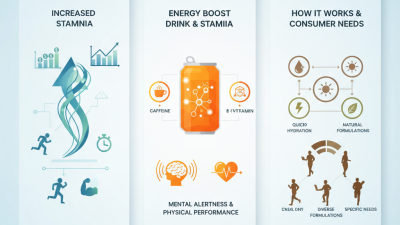
If you're engaging in intense physical exercise, you may need a drink that not only provides caffeine but also electrolytes. This helps replenish lost fluids and maintains performance. In contrast, if you’re just looking to stay alert during a late-night project, a simple caffeine source might suffice. However, some options may contain high sugar levels, which can lead to a crash. Reflecting on how your body responds to different drinks can help you make a better choice.
Be cautious about unclear labeling. Some drinks may claim to provide energy without clearly listing their ingredients. This can lead to confusion over how much caffeine or sugar you’re really consuming. It’s worth considering how your body reacts to these drinks. Maybe you’ve experienced jitters or fatigue afterward. Learning from these experiences can inform future choices. Keep experimenting until you find what aligns best with your goals and lifestyle.
How to Choose the Right Energy Drink for Your Needs?
| Energy Drink Type |
Caffeine Content (mg) |
Calories per Serving |
Added Sugars (g) |
Other Ingredients |
Best For |
| Standard Energy Drink |
80-150 |
120-200 |
24-40 |
Taurine, B-vitamins |
Quick Energy Boost |
| Sugar-Free Energy Drink |
100-300 |
0-10 |
0 |
B-vitamins, Electrolytes |
Weight Management |
| Natural Energy Drink |
30-80 |
45-90 |
10-15 |
Green Tea Extract, Ginseng |
Sustained Energy |
| Pre-Workout Energy Drink |
150-300 |
100-200 |
0-5 |
Creatine, Beta-Alanine |
Enhancing Performance |
Types of Energy Drinks and Their Ingredients
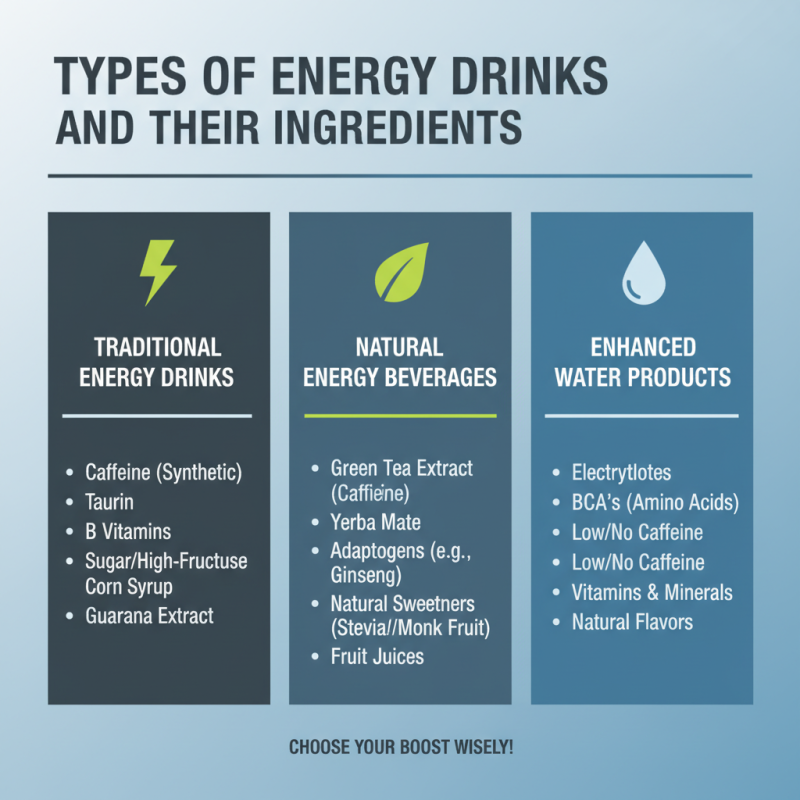
When selecting an energy drink, understanding the types available is essential. There are various categories, including traditional energy drinks, natural energy beverages, and enhanced water products. Each type uses different ingredients to deliver energy and performance boosts.
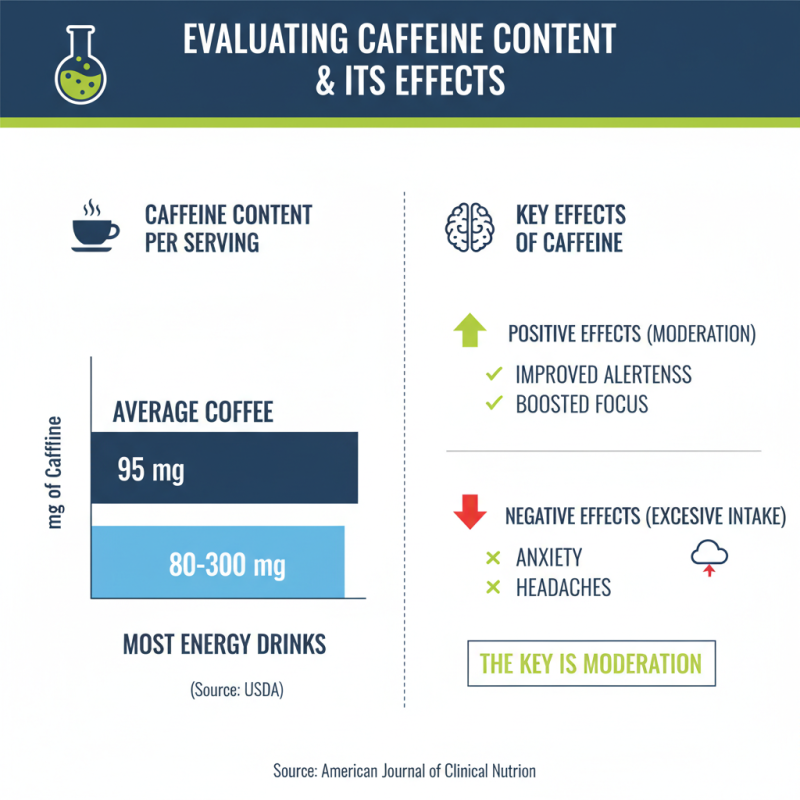
Traditional energy drinks often contain caffeine, sugar, and various stimulants. Caffeine helps increase alertness. However, too much can lead to jitteriness. Natural energy beverages usually include green tea extract or vitamins. They offer a gentler energy source. Enhanced water products leverage electrolytes for hydration, but may lack significant energy-boosting components.
Ingredients matter greatly. Some drinks include herbal extracts like ginseng or guarana. These can be effective but might not be suitable for everyone. It’s important to read labels. Certain sweeteners can cause digestive issues for some. Evaluating individual needs and tolerance levels is crucial when trying any energy drink. Choosing wisely can prevent unwanted side effects while supporting your activity level.
Assessing Additional Nutritional Benefits
When selecting an energy drink, it's crucial to assess the additional nutritional benefits each product offers. Some drinks are fortified with vitamins, electrolytes, or amino acids, enhancing overall health beyond just providing energy. According to a 2022 report by the Beverage Marketing Corporation, 38% of consumers now prioritize functional ingredients when choosing beverages. This trend reflects a growing awareness of how certain components can impact well-being.
Common ingredients like B vitamins support energy metabolism, while electrolytes help with hydration. A study published in the Journal of Nutrition indicated that prolonged exercise can lead to electrolyte depletion. Thus, drinks with added electrolytes may benefit athletes or active individuals. However, one must remain cautious. Many energy drinks are high in sugar and caffeine, which can lead to adverse effects if consumed in excess. Some studies show a link between high caffeine intake and increased heart rate.
It's also essential to look beyond the label claims. Some drinks might advertise high caffeine content while lacking sufficient amounts of beneficial vitamins. Consumers should approach energy drinks with a critical mindset. Assessing ingredients, researching the company's reputation, and considering personal health needs are vital steps. A balanced approach ensures that you choose an energy drink that aligns with your health goals.
Choosing Based on Activity Level and Environment
Choosing an energy drink should align with your activity level and environment. For intense workouts, you might need a drink with high caffeine and electrolytes. These components can enhance performance and stamina. Consider the duration of your activity. Short bursts require less than long-enduring efforts.
Hydration is critical. In hot climates or during prolonged activities, a drink that replenishes fluids and salts is essential. Look for options with moderate sugar levels. Not too much, as it can lead to a crash. Too little, and you might feel fatigued too soon.
Reflect on your individual needs. Sometimes, what works for others may not suit you. Try different options to see what your body prefers. Keeping a log of your energy levels during your activities can also clarify your best choices. Remember, it’s about finding balance rather than following trends.