How to Choose the Best Low Sugar Energy Drinks for Your Needs?
Choosing the right low sugar energy drinks can be challenging. With an increasing focus on health, many consumers are looking for alternative beverages. According to a recent report by Grand View Research, the low sugar energy drinks market is expected to grow significantly, reflecting changing consumer preferences.
Expert Dr. Lisa Thompson, a nutritionist, emphasizes the importance of selecting the right product: “Not all low sugar energy drinks are created equal.” This is crucial advice, as many drinks can still have hidden sugars. The key is to read labels diligently and understand ingredients.
It's also essential to consider personal needs. What works for one person may not be suitable for another. Some low sugar energy drinks might contain artificial sweeteners that can affect digestion or energy levels. Testing a few options before settling on a favorite can lead to better choices.
Understanding Low Sugar Energy Drinks: What to Look For
When choosing low sugar energy drinks, focus on the ingredients. Look for options with natural sources of energy, like green tea or yerba mate. These provide a gentle boost without the sugar crash. Check the caffeine content too.
Overly high levels can lead to jitters. A moderate amount can enhance focus and performance.
Read the nutrition labels carefully. Some drinks claim to be low in sugar but are loaded with artificial sweeteners. These can have their own drawbacks. Taste is important, but don’t compromise on health. Try various flavors; you might be surprised by what you enjoy.
Consider your daily activities. If you're working out, you may want a drink with added electrolytes. For long study sessions, opt for one that improves cognitive function. Experimentation is key. It might take time to find the perfect match for your lifestyle. Embrace the process, and be open to adjusting your choices.
Key Ingredients in Low Sugar Energy Drinks and Their Benefits
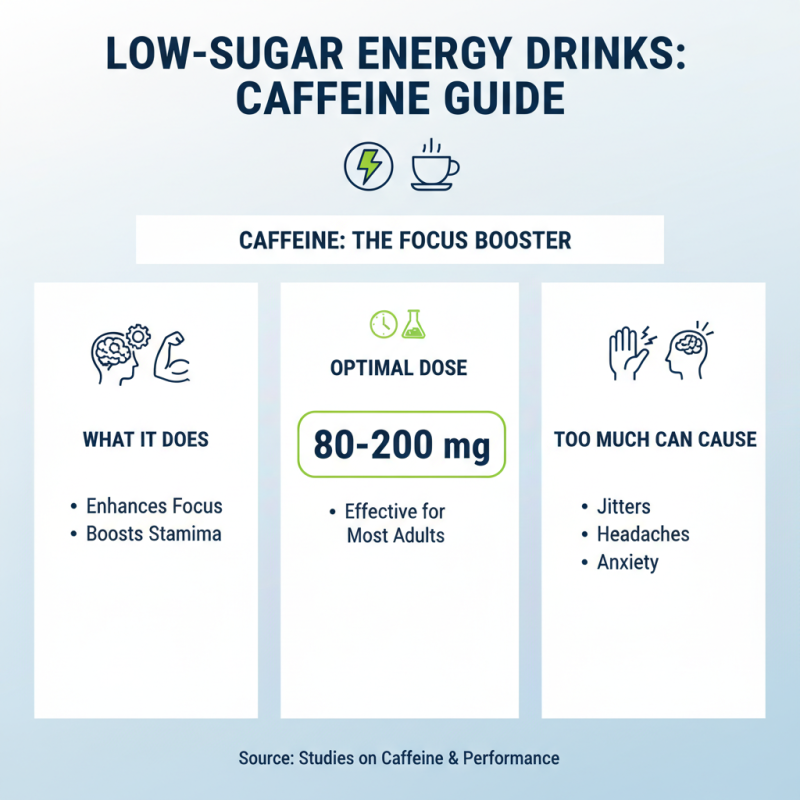
When selecting low sugar energy drinks, understanding key ingredients is crucial. Caffeine is a primary component. Studies reveal that moderate caffeine intake enhances focus and stamina. Generally, a dose around 80 to 200 mg is effective for most individuals. However, too much can lead to jitters or headaches.
In addition to caffeine, many drinks contain B vitamins. These vitamins play a vital role in energy metabolism. Research shows that B6 and B12 significantly reduce fatigue and improve energy levels. However, be cautious. Excessive intake may lead to nerve damage over time.
Natural sweeteners, like stevia or erythritol, are popular in low sugar options. They add flavor without the calories. Yet, some people experience digestive discomfort from these compounds. Always consider your body's reaction to new ingredients. Balancing taste and nutrition is challenging but necessary for finding the best energy boost.
Comparing Caffeine Content in Low Sugar Energy Drinks
When selecting low sugar energy drinks, caffeine content plays a crucial role. Many consumers look for a boost without excessive sugar. Reports indicate that moderate caffeine intake can enhance alertness. However, too much caffeine may lead to jitters. Most low sugar options contain between 80 to 200 mg of caffeine per serving.
Understanding personal tolerance is vital. Some may feel energized with just 50 mg, while others require more. The FDA suggests a daily limit of 400 mg for adults. A growing number of studies show that consumers prefer drinks with fewer calories and sugar. Yet, the perception of taste can be affected.
Be wary of ingredients. Some drinks may claim to be low sugar but contain artificial sweeteners. Research on sweetener effects remains inconclusive. While they reduce calorie intake, they may confuse the body’s natural ability to regulate sugar. It is crucial to examine labels closely and understand how different ingredients interact.
How to Choose the Best Low Sugar Energy Drinks for Your Needs? - Comparing Caffeine Content in Low Sugar Energy Drinks
| Energy Drink |
Caffeine Content (mg) |
Sugar Content (g) |
Calories |
| Energy Drink A |
80 |
0 |
10 |
| Energy Drink B |
120 |
2 |
20 |
| Energy Drink C |
100 |
1 |
15 |
| Energy Drink D |
150 |
0 |
25 |
| Energy Drink E |
90 |
3 |
12 |
Evaluating Flavor Options and Sweeteners in Energy Drinks
When selecting low sugar energy drinks, flavor options and sweeteners play a crucial role in your experience. Many consumers prefer drinks that offer a range of flavors, from fruity to herbal. A recent study revealed that 75% of energy drink users prioritize taste over other factors. So, how can you choose wisely?
Tips: Experiment with different flavors. Don't stick to one or two options. You might find a new favorite that keeps you energized.
Sweeteners are another key element. Many low sugar drinks use natural sweeteners, like stevia or monk fruit. However, some might not deliver the desired taste. According to a survey, only 50% of consumers are satisfied with the taste of low sugar options. Some drinks may still contain sugar alcohols, which can lead to digestive discomfort.
Tips: Read labels carefully. Pay attention to sweetener types and potential side effects.
Flavor profiles can greatly affect your energy levels and mood. A delightful berry flavor may give you a mental lift, while a more herbal taste might soothe your senses. Keep in mind that not all flavors will work for everyone. Personal preferences vary widely.
Tips: Try smaller sizes first. This allows you to see what fits your taste and energy needs.
Assessing Brand Reputation and Consumer Reviews for Energy Drinks
When selecting a low sugar energy drink, brand reputation is crucial. Trusted brands undergo rigorous testing. They prioritize quality and safety. According to a report by the Beverage Marketing Corporation, consumer trust significantly influences purchasing decisions, with 73% of participants favoring well-regarded brands.
Consumer reviews offer invaluable insights. They reveal real experiences and the effectiveness of different products. A 2021 survey by Statista highlighted that 78% of consumers check reviews before buying. Positive feedback often reflects reliability, while negative comments point out flaws. Some drinks may promise energy boosts but deliver inconsistent results. Discrepancies in taste and effectiveness can cause disappointment among consumers.
Understanding the nuances of consumer feedback is essential. Not all reviews are genuine, and biases exist. It is vital to look for patterns in comments. Quality control issues sometimes arise, leading to differing opinions on the same product. Ultimately, a thorough assessment of brand reputation and consumer insights can guide you toward the right low sugar energy drink.