Top Trends in Beverage Packaging for 2026
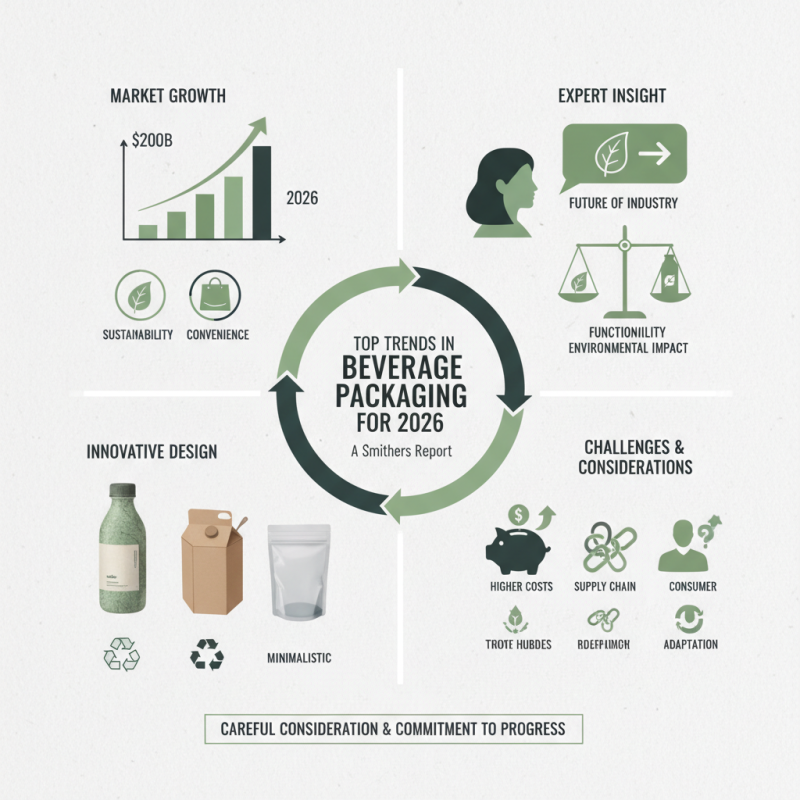
As we look towards 2026, the landscape of beverage packaging is set to undergo remarkable evolution. According to a recent report by Smithers, the global beverage packaging market is projected to reach $300 billion by 2026. This growth reflects consumer demands for sustainability and convenience. Experts emphasize the importance of innovative design in meeting these needs.
Renowned packaging expert Dr. Jane Miller states, "Sustainable beverage packaging will define the future of the industry." Her insight echoes the challenges companies face in balancing functionality and environmental impact. Brands are experimenting with biodegradable materials and minimalistic designs to capture eco-conscious consumers' attention.
However, industry players must also consider the complexities involved. The transition to sustainable options often incurs higher costs and potential supply chain hurdles. Moreover, this shift can sometimes lead to a disconnect with traditional packaging practices, which may alienate certain demographics. Thus, the path forward in beverage packaging will require careful consideration and a genuine commitment to progress.
Emerging Sustainable Materials in Beverage Packaging for 2026
As we approach 2026, sustainable materials in beverage packaging are gaining momentum. Consumers are more aware of environmental issues. They prefer products with minimal carbon footprints. Innovative materials are emerging to meet this demand. Plant-based plastics, for example, are being researched extensively. These materials use renewable resources, like corn or sugarcane, instead of petroleum.
While biodegradable options sound appealing, challenges exist. Decomposition in landfills isn't always effective. Recycling capabilities can vary widely. Many communities lack proper composting facilities. Moreover, the cost of sustainable materials often exceeds traditional packaging. This raises questions about scalability. Will these materials be affordable for all brands?
New technologies are also making waves in beverage packaging. Recycled paper and cardboard are making a comeback. Companies are experimenting with water-based inks and adhesives. However, the durability of these products can sometimes be a concern. More testing is needed to ensure they meet industry standards. Ultimately, the push for sustainability in beverage packaging presents an exciting yet complex journey.
Top Trends in Beverage Packaging for 2026 - Emerging Sustainable Materials in Beverage Packaging
| Material Type |
Sustainability Rating |
Cost Efficiency |
Market Adoption Rate |
Projected Growth (2026) |
| Plant-based Plastics |
High |
Moderate |
30% |
15% |
| Recycled PET (rPET) |
Very High |
High |
50% |
20% |
| Biodegradable Films |
High |
Low |
25% |
12% |
| Glass Packaging |
Very High |
Moderate |
40% |
8% |
| Aluminum Cans |
High |
High |
55% |
10% |
Innovative Design Trends Transforming the Beverage Packaging Landscape
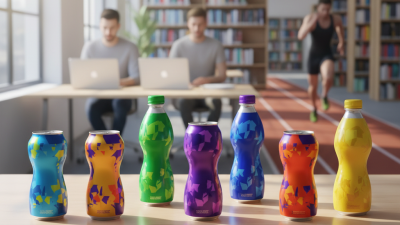
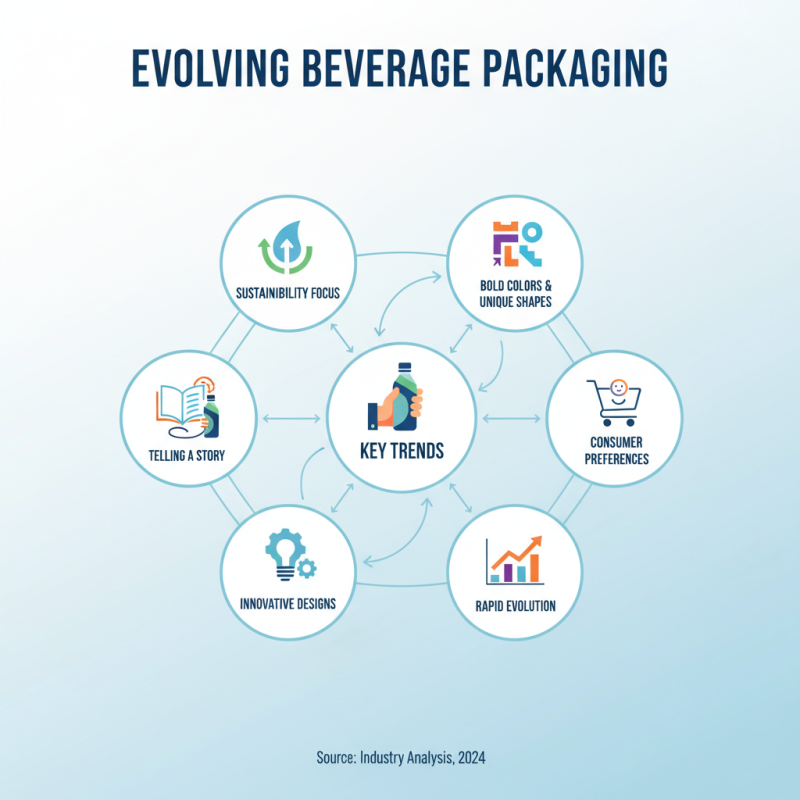
The beverage packaging landscape is rapidly evolving. Innovative designs are emerging as consumer preferences shift. Sustainability is a key focus. Bold colors and unique shapes capture attention. Packaging that tells a story resonates with buyers.
Furthermore, the trend toward minimalism continues. Clean lines and simple designs create an inviting look. However, striking a balance between minimalism and expressiveness can be challenging. Brands must ensure their identity shines through without overwhelming the consumer.
Augmented reality is gaining traction in beverage packaging. Interactive designs engage consumers in new ways. They can scan a label and unlock immersive experiences. However, not all brands are leveraging this technology effectively. Some struggle with integration, leading to confusion. Embracing new ideas is essential, but execution remains a hurdle.
Integration of Technology in Beverage Packaging Solutions
As beverage packaging trends evolve, technology plays a key role in shaping the future. The integration of smart packaging solutions is transforming the industry. Reports show that more than 35% of consumers prefer packages that enhance product interaction. These technologies include QR codes that provide product information and Augmented Reality (AR) experiences that engage customers.
Moreover, sustainability remains a significant challenge. While tech can aid in recycling, packaging waste still concerns many consumers. Data indicates that about 70% of consumers want brands to take steps toward eco-friendly practices. Innovations in biodegradable materials are promising but require further refinement.
Automation in production lines is also on the rise. Yet, this shift raises questions about workforce displacement. Nearly 40% of industries are investing in automated packaging systems. Balancing efficiency with human employment remains a critical issue. The future of beverage packaging is undoubtedly intertwined with technology, but challenges persist.
Top Trends in Beverage Packaging for 2026
Consumer Preferences Shaping Beverage Packaging Trends
The beverage packaging landscape is shifting rapidly.
Consumer preferences are now the driving force behind these changes.
Sustainability is a primary concern. A recent report indicated that over 70% of consumers favor eco-friendly packaging.
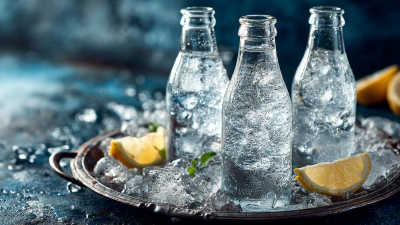
They prefer materials like glass and recyclable plastics. This is not a passing trend; it's becoming the norm.
Brands must adapt to these new desires. More consumers are looking for minimalistic designs.
Cluttered packaging can lead to consumer confusion. Striking visuals on minimal backgrounds can attract attention.
Data shows that 50% of purchase decisions are made in-store,
which speaks to the importance of eye-catching designs.
Tips:
Prioritize clear messaging on packaging. Avoid overcomplicating visual elements.
Simplicity appeals to many buyers today.
While sustainability and design are vital, functionality cannot be overlooked.
Packaging must preserve product quality and enhance usability.
As noted in industry studies, 40% of consumers report dissatisfaction due to poor packaging.
Functional design is essential for retaining loyal customers.
Tips:
Test different packaging types to find the most effective solutions. Don't be afraid to re-evaluate your current designs.
Constant improvement is key in this dynamic market.
Regulatory Influences on Beverage Packaging Standards by 2026
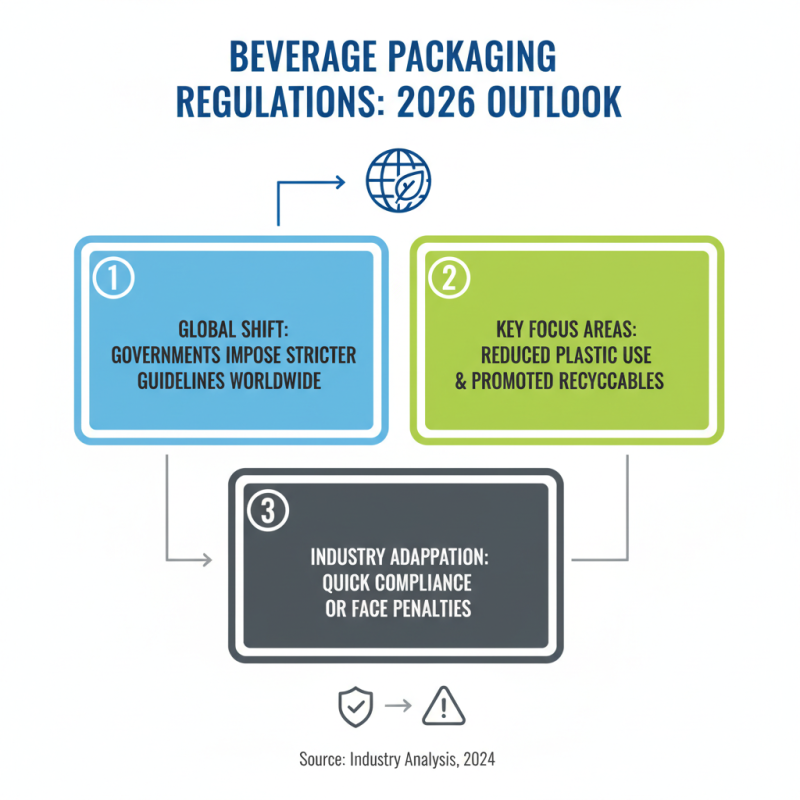
In 2026, regulatory influences on beverage packaging will significantly shape industry standards. Governments worldwide are expected to introduce stricter guidelines. These regulations could focus on reducing plastic use and promoting recyclable materials. Companies must adapt quickly, or face penalties.
Brands should closely monitor changes in legislation. Keeping up with evolving regulations is crucial. Regular audits of packaging materials may help companies remain compliant. Understanding local rules can save time and resources. It's vital to prioritize compliance while innovating.
Consider engaging with regulatory bodies. Building relationships can provide insights into future trends. Be proactive in sustainability practices to foster positive public perception. Yet, not all companies will keep pace. Some might struggle with the transition, facing challenges in cost management and supply chains. It's a complex landscape that requires careful navigation. By doing so, businesses can turn these challenges into opportunities.