How to Choose the Best Power Drinks for Energy Boost?
Choosing the right power drinks can be overwhelming. With countless options available, it’s easy to feel lost. You may wonder which one truly boosts energy without side effects.
Many power drinks promise quick energy, but not all deliver. Some are high in sugar, which can lead to crashes. Others contain artificial ingredients that may cause health issues. Understanding what you consume is vital. Reading labels carefully can reveal hidden sources of caffeine and sugars.
Moreover, individual needs vary. What works for one may not work for another. Some people might prefer natural ingredients. Others may seek convenience. Choosing the right drink can feel daunting due to these contradictions. Prioritizing your health and energy levels should guide your decision-making process.
Understanding the Different Types of Energy Drinks Available in the Market
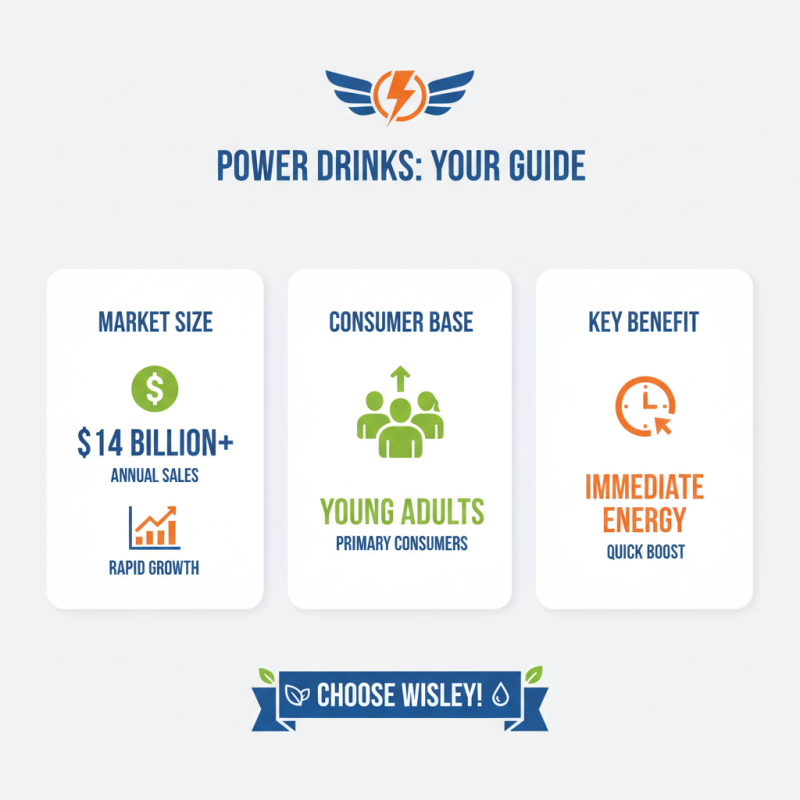
When it comes to choosing power drinks, understanding the types available is crucial. The energy drink market has grown rapidly, generating over $14 billion in sales annually, primarily driven by young adults. Many consumers turn to these drinks for an immediate energy boost.
Caffeine content varies significantly. Some drinks contain about 80 mg per serving, while others may exceed 300 mg. This wide range affects energy levels and potential side effects. Other ingredients like taurine and B vitamins also play a crucial role. Reports indicate B vitamins help with energy metabolism, yet they do not directly provide energy.
It's essential to consider sugar levels. Some drinks have high sugar content, potentially leading to crashes later. A study found that over 40% of consumers feel jittery after excessive sugar intake. Look for drinks with lower sugar or natural sweeteners. However, be aware that “natural” doesn’t always mean healthier. Reflecting on how these drinks affect your well-being is vital.
Analyzing Key Ingredients in Power Drinks: Caffeine, Sugars, and Vitamins
When selecting power drinks for an energy boost, understanding the key ingredients is vital. Caffeine often tops the list. It stimulates the central nervous system, making you feel more alert. However, too much caffeine can lead to jitters or anxiety, which is not ideal. Balance is crucial, so consider your own tolerance levels before indulging.
Sugars are another common ingredient. They're quick energy sources, providing an immediate rush. But excessive sugar may lead to crashes later. Look for drinks with natural sugars or lower glycemic options to prevent sharp falls in energy. This brings us to vitamins. They play a supporting role. B vitamins, for instance, help convert food into energy. Deficiency in these vitamins can hinder your daily performance.
Not all drinks are created equal. Some may contain unnecessary additives and high sodium levels. It's essential to read labels carefully. Reflect on how each ingredient affects your body. The right power drink should energize without unwanted side effects. In this quest for the best boost, personal experience becomes a valuable guide.
Energy Boosting Ingredients in Power Drinks
Evaluating the Impact of Energy Drinks on Physical and Mental Performance
Energy drinks have become a popular choice for those seeking an energy boost. Many claim to enhance both physical and mental performance. Understanding their true impact is important. Not all energy drinks are created equal. Some contain high sugar levels, while others may have excessive caffeine. It is crucial to read labels carefully.
Physical performance can improve with moderate consumption. Many users report increased stamina during workouts. However, the effects vary among individuals. Some might feel jittery or anxious after consuming these drinks. This negative reaction can diminish overall performance. It's essential to listen to your body and adjust accordingly.
Mental performance is another area of concern. Many rely on energy drinks for focus while studying or working. A temporary boost in concentration might occur. Yet, after the initial effect fades, fatigue may set in. This cycle can lead to overconsumption. Reflecting on your energy habits is vital for long-term health. Energy drinks can be useful, but moderation and awareness of your body's signals are key.
Identifying Health Risks and Recommended Intake for Safe Consumption
When selecting power drinks for energy, understanding health risks is crucial. Many energy drinks contain high levels of caffeine and sugar. A typical 16-ounce energy drink can have up to 400 mg of caffeine. The FDA recommends a maximum intake of 400 mg per day for adults. Exceeding this limit may lead to heart issues and anxiety.
Tips: Always read labels. Look for caffeine content and added sugars. Some drinks have over 50 grams of sugar. This amount can spike your blood sugar and then lead to a crash.
Regular consumption poses additional risks. A study found that 30% of energy drink users reported negative effects. Palpitations, insomnia, and digestive problems are common. It’s vital to remain educated about what you consume.
Tips: Choose drinks with lower sugar and natural ingredients. Hydration is key. Often, water can provide the refreshment and energy you need without side effects. Monitor your body's response. If you feel jittery, it might be time to reassess your intake.
How to Choose the Best Power Drinks for Energy Boost?
| Drink Type |
Caffeine Content (mg) |
Sugar Content (g) |
Recommended Daily Intake (ml) |
Health Risks |
| Energy Drink |
80-300 |
25-35 |
500 |
Heart palpitations, anxiety |
| Sports Drink |
20-50 |
10-20 |
400 |
Electrolyte imbalance |
| Coffee |
95-200 |
0-5 |
300 |
Insomnia, increased heart rate |
| Tea |
30-70 |
0-2 |
300 |
Stomach upset, caffeine sensitivity |
Comparing Natural Energy Boosters vs. Commercial Power Drinks: A Data-Driven Approach
When choosing between natural energy boosters and commercial power drinks, it's essential to weigh the pros and cons. Natural options like green tea, fruits, and nuts provide vitamins and minerals. They often contain antioxidants, which help combat fatigue. These sources can be refreshing and satisfying.
On the other hand, commercial power drinks often promise quick results. They may contain caffeine and sugar to give an instant boost. However, over-reliance on these drinks can lead to energy crashes. Some contain ingredients that may not suit everyone. A quick jolt of energy isn't always sustainable.
The comparison often leads to reflection. Do you rely too heavily on commercial drinks? Could a piece of fruit give you the same boost? Finding the right balance might take time and experimentation. Embracing natural sources might require more effort but could lead to healthier habits in the long run.